CBD and Wound Healing: What a New Systematic Review Actually Shows
By Mark Vuozzo, CTO, PurBlend Science, Inc.
A systematic review published October 13 in The FASEB Journal asks a plain question: what does the published research say about CBD and skin wounds? I read the whole paper. This post is my take on it, and why I think it matters for where this industry goes next.
One thing up front. I run the technology side of a company that sells CBD products, including a body lotion. Weigh my opinions with that in mind. My views are in the boxes labeled MY OPINION.
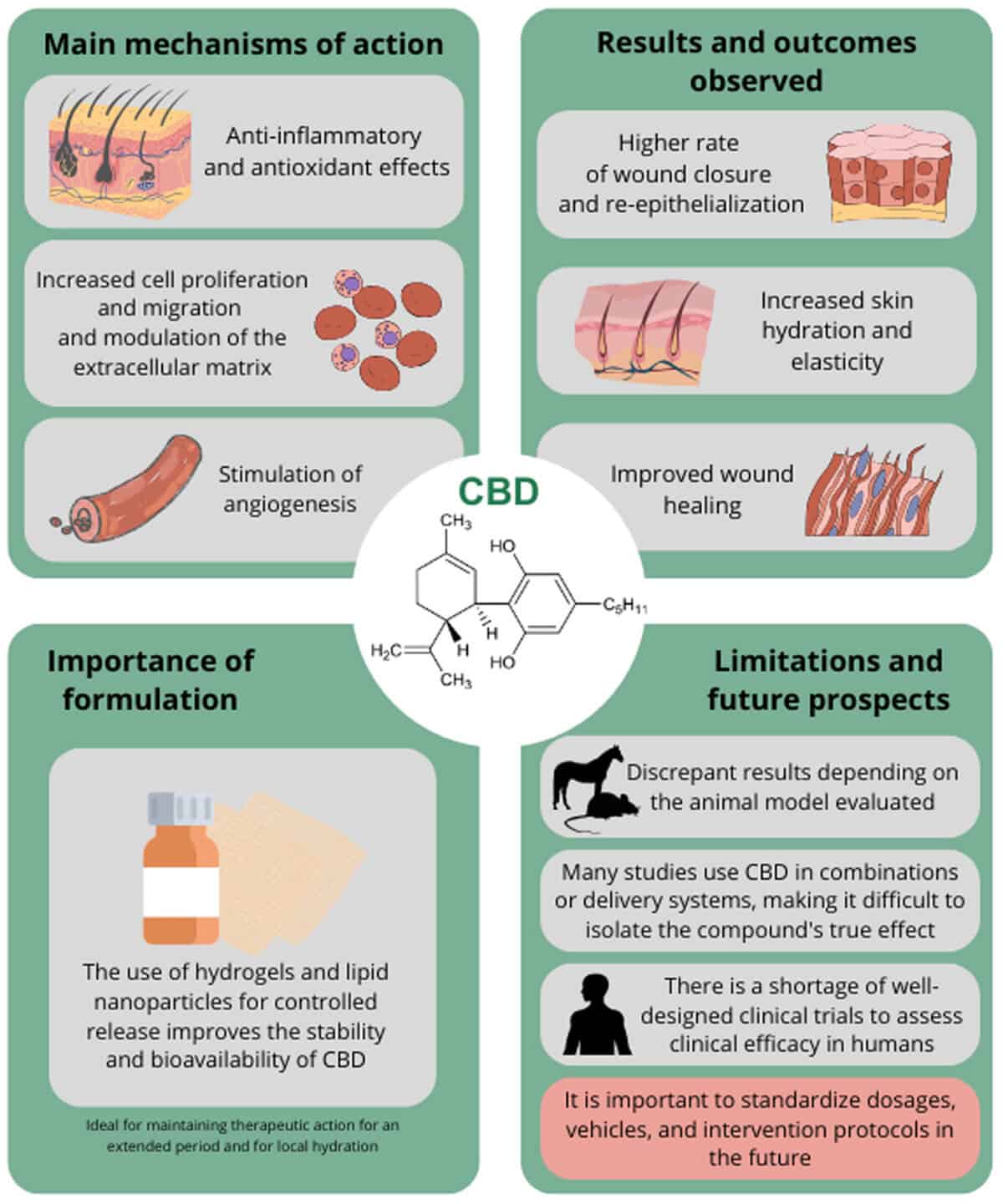
The study in brief
Researchers at several Brazilian universities pulled together five studies of CBD on skin wounds, three in rats, one in horses and one small human study of skin conditions, with mixed results. The authors say CBD shows promise for promoting skin healing, but the evidence is still limited and controlled human trials are needed. None of the studies tested a product like ReLiever or included THC, and the full paper is open access, so I encourage you to read the whole thing here.
Every study in this review tested CBD, and none tested THC, so the paper cannot say whether THC helps. The authors note that THC may contribute to tissue repair, though the evidence is limited, and that CBG, the other cannabinoid we use, has emerging anti-inflammatory evidence. I am not claiming THC does nothing.
Here is how I think about it. People want two different things from a lotion like this: relief from everyday aches, and healthy skin recovery. This review is only about the second. My hypothesis, and it is only a hypothesis, is that CBD does most of the work on the skin-recovery side, and that THC matters more on the aches side. I also believe some THC needs to be there. How much, nobody has tested, and I could be wrong about all of it. A review in which CBD alone shows effects in animal models is consistent with the first half of that. The second half is untested.
Why this matters beyond one lotion
Early research does not turn into answers on its own. It takes funding, trials, and a legal environment where companies and universities can do the work. On December 11, the federal rule I wrote about in my last post takes effect: finished hemp products are capped at 0.4 milligrams of total THC per container.
I read this review as a signal to keep going, not to slow down. Five small studies, mostly in animals, is what early science looks like. The authors are asking for standardized dosing and real clinical trials. Whether those trials get easier or harder to run depends partly on the rules Congress writes in the coming weeks. I would rather see rules that leave room for this research than rules that close the door before the evidence is in. If you feel the same way, tell your representatives. That is the whole ask.
You made it to the bottom. Here is the deal.
The large 100 mL ReLiever, the current Rev 5 formula, is 50 percent off: $34.99, regularly $69.99. That is twice the product of the 50 mL bottle ($49.99) for $15 less. Rev 5 ships until the new THC rule takes effect on December 11. After that, ReLiever changes, so this is your chance to stock up on the version you know.
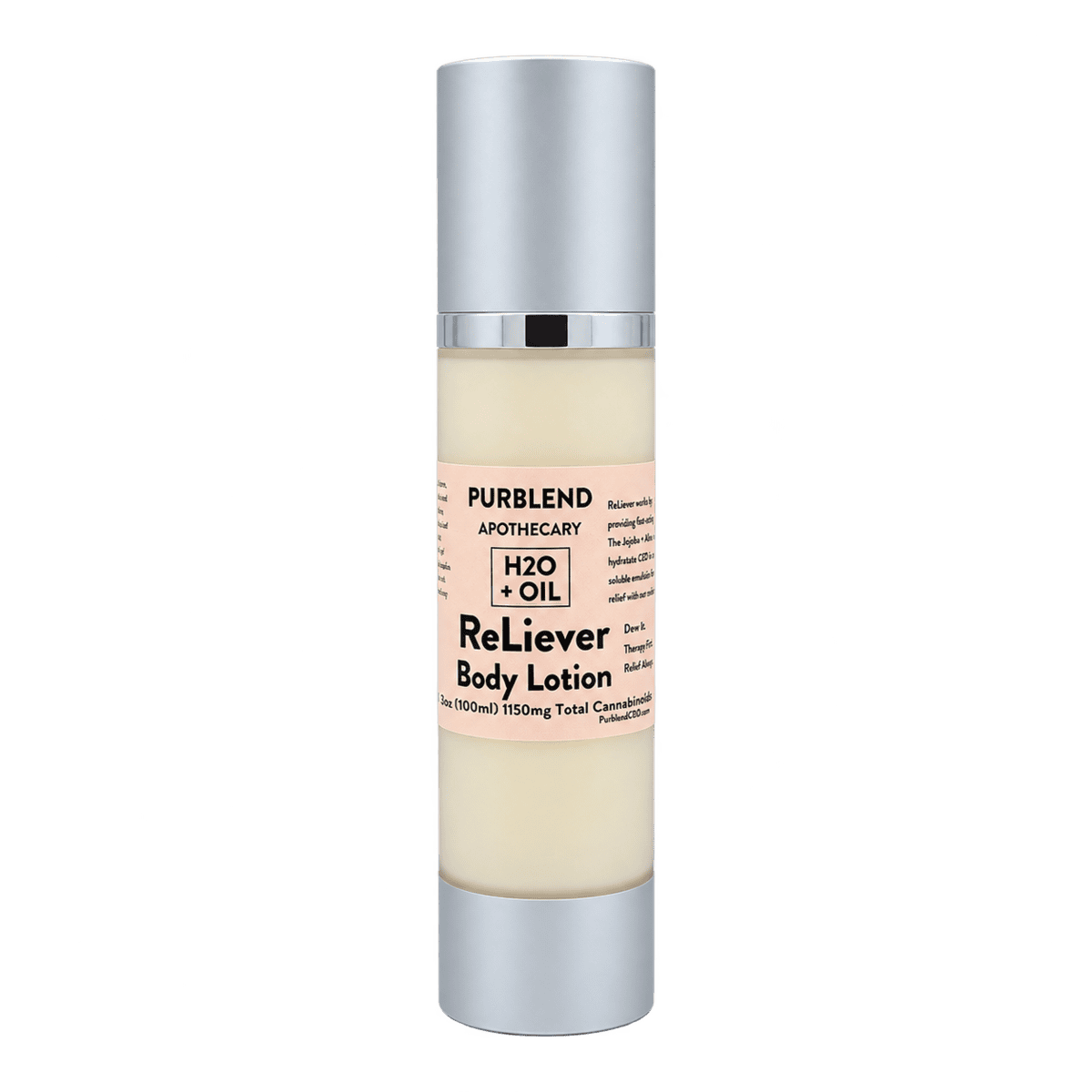 Shop 100 mL ReLiever, 50% off
While supplies last.
Sources
- França JHF, Freitas RBM, Rosendo GLR, et al. The Use of Cannabidiol in Cutaneous Wound Healing: A Systematic Review. The FASEB Journal 2026;40(20):e72365. Open access.
- Marijuana Moment: Trump signs bill to delay hemp THC product ban (September 3, 2026)
These statements have not been evaluated by the Food and Drug Administration. This product is not intended to diagnose, treat, cure, or prevent any disease. This article describes published research and is not medical advice. ReLiever is a body lotion, not a wound dressing or first-aid product. For any wound, follow the guidance of your clinician.


